Party Walls

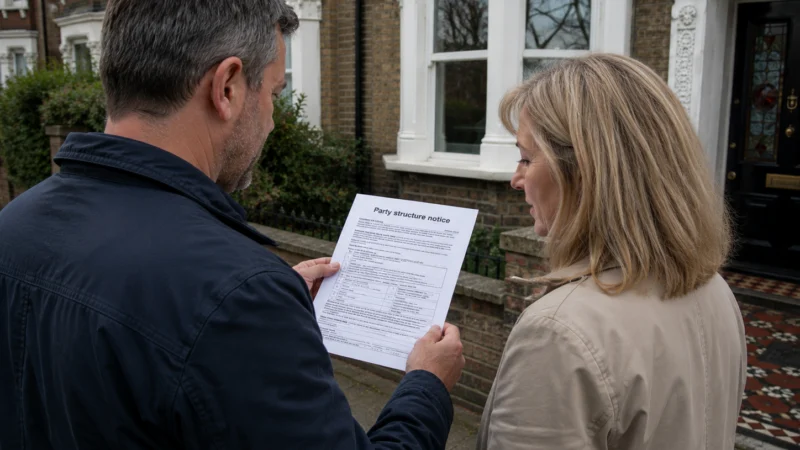
The Party Wall etc. Act comes into play when a ‘building owner’, as defined by the Act intends to carry out works to a party structure, which may be a wall, but can also be a floor. The Act also applies if excavation works are planned within certain distances of the ‘adjoining owners’ property, even if they are wholly within the building owners site.

For Landlords

Ensuring their property is maintained to a proper standard is a principle concern for landlords. It ensures the preservation of the value, and continuity of income.

It is prudent to have the property inspected periodically, to ensure that the tenant is observing the lease repairing covenants. Whilst interim schedules can be served on a tenant, this right is restricted more than a terminal schedule by statute.

A properly prepared schedule of dilapidations has each item of repair costed, however in any instance, a landlord cannot recover more than the amount by which the value of the interest has fallen. A claim must also take into account other factors, such as the Landlords future intentions for the property.

Tenants should seek our advice of Elevation Surveyors on dilapidation liabilities before entering into a lease agreement. In most cases, we advise any tenant to commission a schedule of condition, details of which can be seen here. This is invaluable in limiting the tenants repairing obligations against pre-existing issues, for which they might otherwise become liable. It should be noted however that this is often resisted by the potential landlord.

For Tenants

A tenant can also benefit from engaging the services of Elevation Surveyors during the letting term, to offer advice on compliance with the repairing covenants, and planned maintenance. This will limit the scope of the terminal schedule.

The alternative is to risk a very high claim and substantial costs. If a schedule of dilapidations is served, Elevation Surveyors can defend your position against unwarranted claims, where the inclusion of certain items within the schedule may not be justifiable, as defined by case law, or statute. The need to stay abreast of current legal precedent is thus clear, and we ensure we are fully appraised of the latest information available in this regard.

Please contact us by submitting the form below or call 
0208 849 8040